Probation periods: how long can they actually last?
TL;DR, the essentials
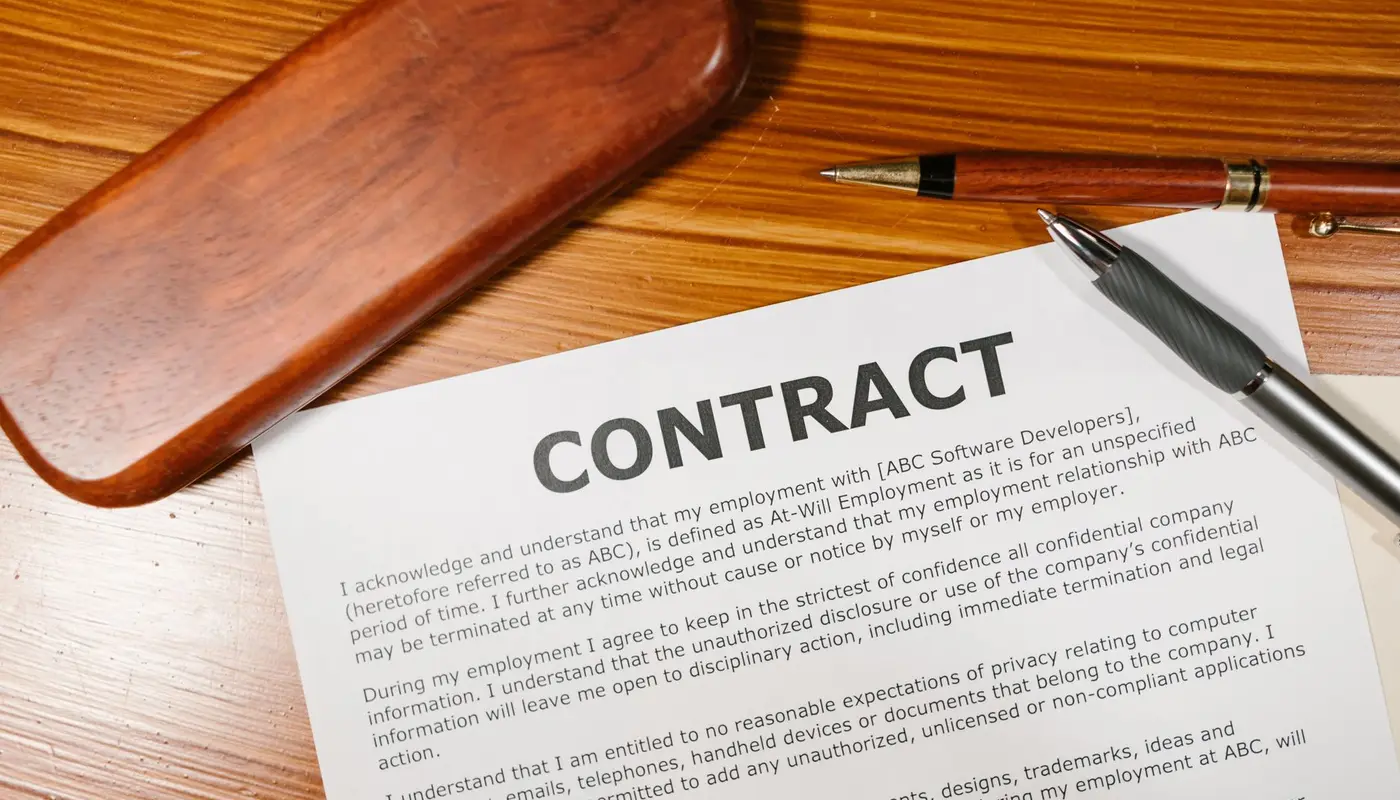
- UK law sets no minimum and no maximum probation period: the length comes from the employment contract, commonly three to six months.
- A probation period does not suspend statutory rights. Minimum wage, paid holiday, statutory sick pay and protection from discrimination apply from day one.
- Employers usually reserve a shorter notice period during probation, but never less than the statutory minimum once the employee has a month of service.
- Extending probation is possible only if the contract allows it, and the extension should be confirmed in writing before the original end date.
- Under the Employment Rights Act 2025, protection from unfair dismissal becomes a right after six months of service from 1 January 2027, which changes how probation is used.
A probation period feels like a legal status, but in the UK it is mostly a contractual convention. There is no statutory maximum, no automatic loss of rights, and no special dismissal regime once basic protections apply. Here is what a probation period actually is, how long it usually runs, which rights apply from the first day, and what the Employment Rights Act changes.
What is a probation period, legally?
A probation period (also written probationary period) is a stretch at the start of a job during which the employer assesses whether the new hire is right for the role, and the employee assesses the same thing in reverse. It is created entirely by the employment contract. There is no separate legal category of “employee on probation” in UK law, which is why so much of the folklore around it is wrong.
What the contract typically sets out is the length of the period, a shorter notice period on both sides, sometimes a reduced benefits package, and the process for confirming or ending employment at the end. Everything else is ordinary employment law.
Good to know
Figures are indicative for July 2026 and reflect the rules for England, Scotland and Wales. This is general information, not legal advice: check GOV.UK, Acas or a qualified adviser for your situation.
How long can a probation period last?
There is no statutory limit. In practice the market has settled on a narrow range.
- Three months for junior and operational roles, where competence shows quickly.
- Six months for professional, technical and specialist roles, the most common length overall.
- Nine to twelve months for senior and executive roles, where the impact of the hire takes longer to read.
Longer is not automatically safer for the employer. A probation period that stretches past six months increasingly overlaps with the service thresholds that trigger stronger statutory protection, so it buys less than employers assume.
Which rights apply during probation?
This is where most misunderstandings sit. Being on probation does not put someone outside employment law. From the first day of employment, an employee is entitled to:
The National Minimum or Living Wage
The applicable rate depends on age and status, not on whether probation has been passed.
Paid holiday
Statutory holiday accrues from day one. Our guide to holiday entitlement explains how the accrual works in practice.
Statutory Sick Pay
Subject to the usual earnings and qualifying-day conditions, SSP is available during probation like at any other time.
Protection from discrimination
The Equality Act applies from the recruitment stage onwards, with no service requirement at all.
Whistleblowing and automatic unfair dismissal protection
Dismissal for a protected disclosure or another automatically unfair reason is unlawful regardless of length of service.
For the detail on two of these, see our explainers on holiday entitlement and statutory sick pay.
Can a probation period be extended?
Yes, but only if the contract provides for it. An extension imposed without a contractual right is a unilateral change to terms, which is a problem in itself. Where the right exists, good practice is straightforward: raise the concerns before the end of the original period, confirm the extension in writing with a clear new end date, state exactly what needs to improve and how it will be measured, and schedule review points rather than waiting for the new deadline.
The common mistake
Letting the probation end date pass in silence. In most contracts, that means probation is treated as successfully completed by default, and the shorter notice period no longer applies. Diarise the review date at the point of hire.
How does dismissal during probation work?
Ending employment during probation is generally simpler for the employer, because the qualifying service for ordinary unfair dismissal claims has historically not been met. Simpler, however, is not the same as risk-free. Three things still apply: the correct notice must be given, at least the statutory minimum of one week once the employee has been employed for a month; the reason must not be discriminatory or otherwise automatically unfair; and any contractual procedure must be followed.
Acas guidance is clear that a fair, documented process during probation is worth the effort even when it is not strictly required, because it is the record that defends the decision later. If the exit involves a negotiated payment, see our explainer on settlement agreements, and on the final payslip itself, our guide to final pay when leaving a job.
Probation does not lower the standard of evidence an employer needs. It only shortens the notice period.
What changes with the Employment Rights Act?
The reform of unfair dismissal rights is the point to watch. An earlier proposal to give probation periods statutory status with a nine-month cap was dropped from the final legislation. What remains is a shift in the qualifying period: from 1 January 2027, protection from unfair dismissal becomes a right after six months of service rather than the longer period employers have relied on.
The practical consequence is that a six-month probation period will no longer sit comfortably inside the unprotected window. Employers who use probation as an informal safety net should expect to document performance management more rigorously, and to run their reviews earlier. Since the timetable and the detail can still move, check GOV.UK and Acas for the version in force when you need it.
Track probation reviews automatically
Our comparison ranks the HR platforms that flag probation end dates, store review records and handle the paperwork.
Next step
Want probation end dates that never slip? See our best HR software 2026 comparison, or our HRIS picks for small businesses.
Frequently asked questions
Is there a maximum probation period in the UK?
No. UK law sets neither a minimum nor a maximum length, so it comes down to what the employment contract says. Three to six months is the usual range, with longer periods for senior roles.
Do you get sick pay and holiday during probation?
Yes. Statutory holiday accrues from the first day of employment, and Statutory Sick Pay is available subject to the normal earnings and qualifying-day conditions. Probation does not suspend statutory entitlements.
What notice is required during probation?
Whatever the contract states, but never less than the statutory minimum of one week once the employee has been continuously employed for a month. Many contracts set one week during probation and a longer period afterwards.
Can an employer extend a probation period?
Only if the contract allows it. The extension should be agreed and confirmed in writing before the original end date, with specific objectives and review points. If the end date passes without action, probation is usually treated as passed.